

News
 Back to News
Safeguarding the Financial Dignity of Older Australians
15 June 2026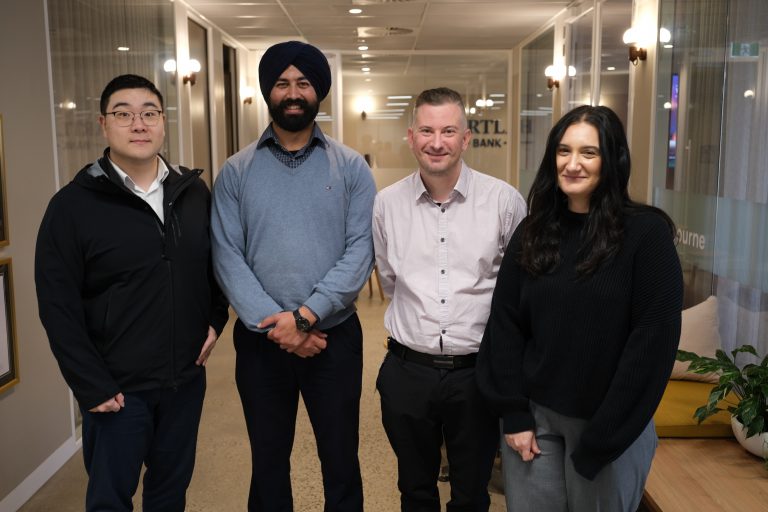
World Elder Abuse Awareness Day (15 June) serves as a vital reminder of an issue that frequently occurs out of sight.
By 2066, it is projected that older people in Australia will make up between 21% and 23% of our total population. As our demographic landscape shifts, preventing and responding to the mistreatment of older generations becomes a fundamental societal responsibility.
According to the National Elder Abuse Prevalence Study, nearly 1 in 6 older Australians experience some form of abuse, with psychological and financial abuse remaining deeply entrenched challenges.
The prevalence of mistreatment climbs significantly to 18.3% for those living in outer regional, rural, and remote areas, compared to 13.1% in major cities.
At the same time, structural housing pressures are shifting. The rate of older Australians who own their homes outright is decreasing, while the proportion of over-55s navigating the private rental market is rising, a trend felt acutely by older women.
Against this backdrop of cost-of-living and housing strain, maintaining complete autonomy over one’s accumulated wealth is paramount.
As a specialist banking institution, Heartland Bank Australia (HBAL) believes that financial safety must never be compromised, particularly when utilising equity release or reverse mortgage products designed to offer stability in retirement.
Moving beyond “tick box” compliance
True protection requires an operational framework designed to detect subtle indicators of pressure long before any funds are released. Standard compliance protocols are no longer enough; banks must cultivate an active line of defence.
A critical element of HBAL’s safeguarding process is a mandatory, independent customer care call conducted by a team member entirely separate from the initial application process. This ensures the applicant can speak freely, without any external influence or third-party interference.
From our Credit Risk Team: “We form deep, trusting relationships with our customers, and supporting them through their financial journey means being a safe space where they are truly heard. In practice, if an application feels heavily driven by outside voices, we gently step in to establish firm boundaries. We speak with the account holder directly, warmly, and confidentially. It isn’t just about verifying a name on a document; it’s about making sure our customers feel completely safe, supported, and genuinely in control of their own choices.”
HBAL’s credit, operations, and risk teams undergo continuous training to identify the macro and micro signs of vulnerability, ranging from sudden, unusual drawdown requests to complex domestic dynamics.
HBAL CEO Michelle Winzer emphasised that true thought leadership in the financial sector requires a fundamental cultural shift in how institutions approach customer vulnerability:
HBAL CEO Michelle Winzer: “Protecting our customers’ dignity and asset security is a core institutional responsibility. But true thought leadership in specialist banking means acknowledging that a changing society requires changing safeguards.
We must all construct operational frameworks where our frontline teams have the specialised training, the moral authority, and the absolute institutional backing to pause, question, and halt transactions the moment an older person’s autonomy is compromised. Financial safety cannot be a passive, tick-box exercise if we want our senior communities to age with genuine peace of mind.”
To read more on the Federal Government’s comprehensive strategy to protect older Australians, view the National Plan to End the Abuse and Mistreatment of Older Australians (2026-2036).